This article was co-authored with Harine Somasundaram.
With Article 6 now operationalised, carbon markets worldwide are embracing new opportunities the shift presents. In Africa, this shift is pronounced: while there are issues to be expected in bringing a new asset class into emerging markets, various countries are developing policy, regulations, processes and institutional frameworks. It is predicted that Africa’s carbon markets have the potential to be worth USD $6 billion by 2030 and employ 30 million people1 – the question is whether this opportunity can be seized. Recent developments also emphasise the role that Africa can play in utilising carbon markets to advance the Paris Agreement’s objectives.
In this article, we explore how nine African countries are developing their carbon market readiness to seize upon Article 6 opportunities. We also explore key carbon market trends on the continent and the ways in which countries are working together to align their carbon market approaches. If you are looking to explore potential carbon project development or investment in any of these countries (or beyond), please contact a member of the NRF carbon markets team to discuss further.
This update is also part of a series on Article 6 implementation around the world. Our previous article on opportunities for Article 6 engagement in the Asia Pacific region can be found here.
Article 6 of the Paris Agreement
Article 6 of the Paris Agreement contains two market-based carbon trading mechanisms. These were included to enable Parties to the Paris Agreement to co-operate to achieve more ambitious Nationally Determined Contributions (NDCs) (national climate plans which states are required to update every 5 years under the Paris Agreement). The two Article 6 mechanisms are":
- Article 6.2, which enables the trade of internationally transferred mitigation outcomes (ITMOs) through bilateral or multilateral Cooperative Approaches; and
- Article 6.4 (known as the “Paris Agreement Crediting Mechanism” (PACM)), a UN-operated crediting program generating A6.4ERs to replace the Clean Development Mechanism (CDM) which operated under the Kyoto Protocol.
We refer to ITMOs and A6.4ERs collectively as "Article 6 units" throughout this article.
Key trends in Africas Article 6 readiness
Africa's engagement with Article 6 is maturing rapidly. Four interconnected trends define the continent's current trajectory.
- Shifting from planning to engagement:
Many African countries are now moving from carbon market plans and strategies to concrete infrastructure, including registries, regulators and designated national authorities. As a result, countries like Rwanda, Kenya, Ghana and Zambia are moving to executing Article 6 bilateral agreements for the trade of Article 6 units.
For many others, the gap between a published framework and a functioning market remains wide, held up by slow bureaucratic processes, limited technical expertise and nascent monitoring, reporting and verification (MRV) systems. Closing this execution gap will be the defining challenge for developing broad and deep carbon markets across the continent. If not, the continent risks developing at a ‘two tier’ speed whereby certain jurisdictions capitalise on the Article 6 market opportunities, but others are left behind. - Community-level projects dominate
Unlike Asia, where large infrastructure and industrial projects often drive carbon credit volumes, Africa's portfolio has a greater focus on household and community-level interventions, especially improved cookstoves and solar home systems, and afforestation, reforestation and revegetation projects. For example, approximately 87% of Rwanda's project base is made up of improved cookstove projects.
The low uptake of interventions in infrastructure and other forms of development reflects the difficulty of assembling the capital and technical capacity for larger projects. Blended finance, concessional capital and development bank support will be essential to unlock Africa's full carbon abatement potential. The absence of development finance institutions and multilaterals in the market is notable. Involving these institutions in providing finance and other structured products will be crucial in developing well structured, well functioning carbon markets in Africa with fair and bankable risk allocation. - Benefit-sharing is a competitive differentiator, not just a compliance obligation
The development of carbon market infrastructure in Africa is coinciding with a greater global focus on obtaining free, prior and informed consent (FPIC) of all project stakeholders (and especially Indigenous Peoples, nomadic groups and other local communities).
This is reflected in increasingly sophisticated benefit-sharing requirements in African carbon market regulations. For example, Kenya mandates that land-based projects and non-land-based projects allocate 40% and 25% (respectively) of their revenue to community development. Uganda also requires project proponents to submit formal benefit-sharing plans to have their projects approved.
These are key signals of high-integrity schemes which are critical to international buyers. Countries that can demonstrate robust, auditable benefit-sharing arrangements will have a material advantage when exporting credits. However, we are seeing difficulties in implementing benefit-sharing in practice in Africa and other emerging markets, as developers seek to navigate unclear legislative schemes (for example, the level that revenue waterfall the benefit-sharing proportions apply[NRFA1.1] to). Stakeholders should take steps to clarify these regimes, and to develop an agreed standard for community benefit sharing, as otherwise funders will push this ambiguity risk onto project developers. - FPIC is an emerging legal and reputational risk
As noted above, FPIC has moved from a voluntary principle to a live legal risk which is front of mind for developers and funders. In 2025, Kenya's Environment and Land Court ruled in favour of Indigenous communities whose land had been used for conservancies without their consent and permanently stopped the carbon project in question. Our article on FPIC can be found here.
This decision has had implications well beyond Kenya. It signals that courts across the continent may be willing to invalidate projects where community consent processes were inadequate. For project developers, funders and buyers alike, rigorous FPIC compliance and due diligence is no longer optional. Where funder due diligence determines that FPIC processes have been inadequate, we have seen funders requiring these processes to be re-run to bring them up to the required standard.
International African carbon market collaborations
Before exploring individual country efforts, it is worth noting several regional initiatives are underway to coordinate Africa's approach to carbon market governance, share technical capacity and strengthen the continent's collective voice in international negotiations. These regional initiatives are extremely important in enabling regional knowledge sharing and benchmarking, with an ‘Africa led’ approach.
- African Carbon Markets Initiative (ACMI): Supports governments and developers to build high-integrity markets, advocates for Article 6 engagement and assists countries to develop their Carbon Market Activation Plans (CMAPs). Its first CMAP, for Kenya, was unveiled at the Africa Climate Summit in Nairobi in 2023.2 ACMI's targets, to achieve retirements of 300 MtCO2e per year by 2030 and 1.5-2.5 GtCO2-e per year by 2050, are ambitious.3
- Eastern Africa Alliance on Carbon Markets and Climate Finance (EAACMCF): A coalition of eight countries (Burundi, Ethiopia, Kenya, Rwanda, Somalia, Sudan, Tanzania and Uganda) working together to build regional capacity for carbon market participation and NDC implementation.4
- Southern African Alliance on Carbon Markets and Climate Finance: This coalition was launched in April 2026. It closely mirrors the EAACMCF and will focus on capacity building and regional collaboration. It is made up of Botswana, Lesotho, Madagascar, Malawi, Mauritius, Mozambique, Zambia and Zimbabwe.
- Africa Action Plan on Carbon Markets (Action Plan): The Action Plan, an initiative of the African Union, commits to establishing robust carbon market mechanisms to drive investment in low-carbon technologies and has proposed a seven-point governance agenda covering the development and regulation of carbon markets to ensure equitable benefit distribution, enable international trading and encourage enhanced domestic investor participation.5
Country-by-country analysis
In this section, we consider carbon markets developments in nine key African jurisdictions, assessing the maturity of their regulatory frameworks, the scale of their mitigation potential and the steps each is taking to operationalise Article 6 engagement.
Before providing our country-by-country analysis, we have set out below the 2030 and 2035 targets of each country for ease of comparison. To note, “BAU” refers to “business-as-usual” (ie a situation in which no efforts are made to reduce emissions). Where we have provided a figure in brackets following “BAU”, that is the projected BAU as provided by the relevant NDC.
| Country | 2030 NDC Target | 2035 NDC Target |
| Ghana |
Unconditional: 24.6 MtCO2-e below BAU* Conditional: 64 MtCO2-e below BAU* |
No 2035 NCD |
| Kenya | 32% below BAU (143 MtCO2-e) | 35% below BAU (215 MtCO2-e) |
| Mozambique | 40 MtCO2-e below BAU* | 15–25% below 30.6 MtCO2-e |
| Nigeria | 168.2 MtCO2-e below 2018 (347 MtCO2-e) | 184.9 MtCO2-e below 2018 (347 MtCO2-e) |
| Rwanda |
Unconditional: 7% below BAU (18.8 MtCO2-e) Conditional: 35% below BAU (18.8 MtCO2-e) |
Unconditional: 7% below BAU (27.86 MtCO2-e) Conditional: 46% below BAU (27.86 MtCO2-e) |
| Senegal |
Unconditional: 7% below BAU (16.8 MtCO2-e) Conditional: 29% below BAU (16.8 MtCO2-e) |
No 2035 NDC |
| South Africa | 350-420 MtCO2-e** | 320–380 MtCO2-e** |
| Uganda | 24.7% below BAU (148.8 MtCO2-e) | No 2035 NDC |
| Zambia |
Unconditional: 25% below 2010 (120.6 MtCO2-e) Conditional: 47% below 2010 (120.6 MtCO2-e) |
Zambia’s 2035 NDC did not contain a 2035 target. |
*BAU not specified.
**No baseline / reference year given. South Africa’s targets are not defined in relation to a reference point.
Ghana
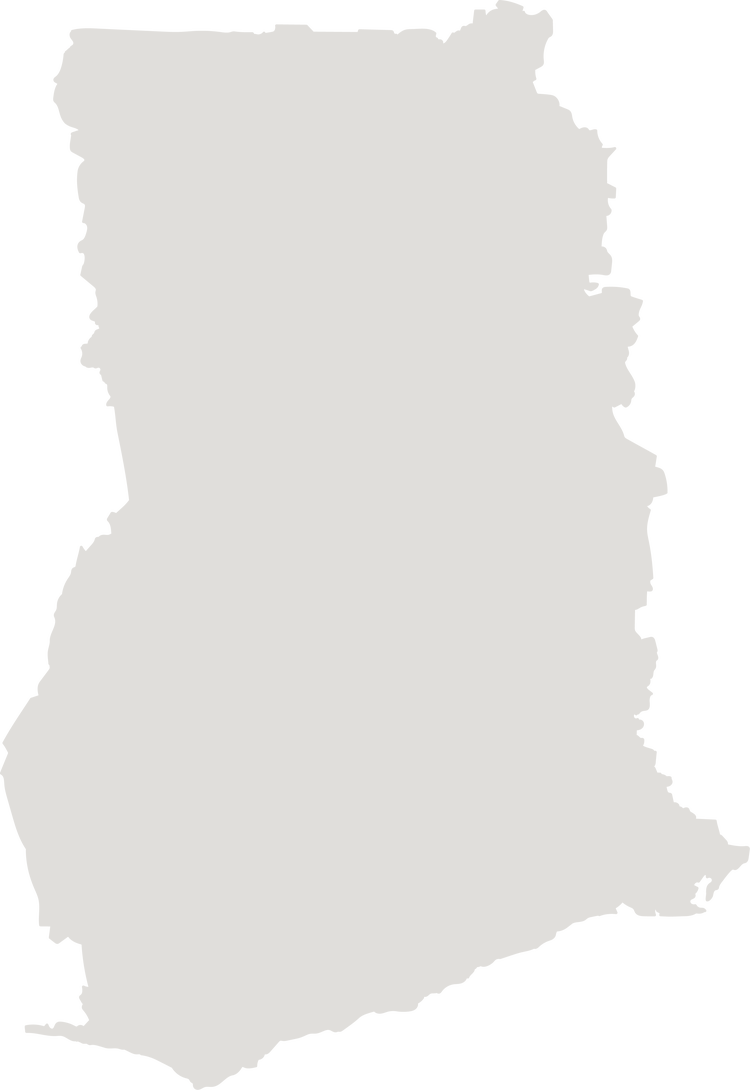
Ghana is among Africa's most advanced jurisdictions for Article 6 engagement. The Environmental Protection Act 2025 (Act 1124) established the Ghana Carbon Markets Office (CMO) and the Ghana Carbon Registry,6 creating one of the continent's most comprehensive governance systems for carbon trading. These developments build on the 2022 document “Ghana's framework on international carbon markets and non-market approaches”,7 which set out the country's vision for using Article 6 to attract international investment. In March 2026, the CMO announced that it had also completed the first draft of a 2026 carbon markets regulation, however it is not yet clear what the specific focus of this regulation will be.8
Ghana offers diverse credit-generation opportunities across renewable energy, clean cooking, waste management, REDD[NRFA2.1]+ and climate-smart agriculture with its primary source of carbon credits being from nature-based solutions. A notable example is the partnership between waste management company Jospong Group and India-based EKI Energy, expected to generate up to US$1 billion in carbon credit revenue over five years and create 1,000 jobs.9 This demonstrates the scale of Ghana’s mitigation potential. The Government of Ghana also established a voluntary registry known as the Ghana Carbon Registry, run by the CMO.
Ghana has been one of Africa's most active negotiators of Article 6.2 bilateral agreements, signing cooperative approaches with Liechtenstein, the Republic of Korea, Singapore, Sweden and Switzerland.10 Its 2030 NDC targets emissions reductions of 24.6 MtCO2-e against a BAU scenario.11 An amount of up to US$ 5.4 billion for some of the programmes of action designed to achieve this target is expected to come from carbon markets. Furthermore, in May 2026, it was announced that Ghana had signed at least 10 cooperation agreements with various institutions which will, amongst other things, support carbon market development in the country by mobilising climate finance.12 At present, the principal constraints on scaling are capital for MRV systems, digital infrastructure and certification processes, which are each necessary for developing a high-integrity system to generate Article 6 units.
Kenya
Kenya is widely recognised as a continental leader in carbon markets. Its regulatory framework, established by the Climate Change Act 2016,
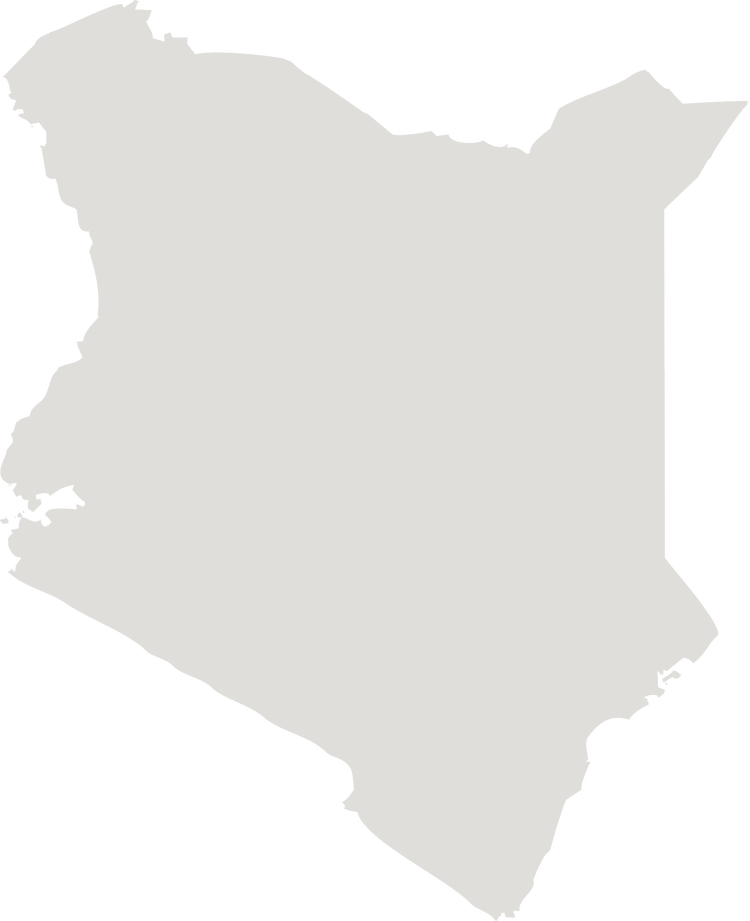
From 2016 to 2021, Kenya issued more carbon credits than any other African country (26 million tonnes of CO2e). It is estimated to host around 20% of Africa's carbon credit projects (90% of which relate to agriculture or household devices).15
As noted above, the Kenyan Regulations introduced benefit-sharing thresholds: land-based projects must allocate 40% of earnings to community development, while non-land-based projects must contribute 25%.16 The Designated National Authority must also remit 50% of the corresponding adjustment fees it receives to Kenya’s Climate Change Fund.17
In terms of progressing international Article 6 engagement, Kenya has signed Article 6.2 bilateral agreements with Japan, Singapore, Sweden and Switzerland. Kenya also co-leads the Coalition to Grow Carbon Markets alongside Singapore and the UK. Kenya's 2035 NDC targets a 35% reduction in emissions against a business-as-usual baseline, equating to 75.25 million tonnes of abatement.18
The progress of these agreements may be hampered by project developer Koko Networks being placed in administration after not receiving a Letter of Authorisation from the Kenyan Government.19 Concerns about FPIC compliance may also slow project development. As noted above, Kenya’s Environment and Land Court has ruled in favour of Indigenous communities whose land had been used for carbon project conservancies, requiring the relevant project to cease.20 We summarised this case in our recent article linked here. Kenya will need to allay private sector concerns about the security of their investments to continue growing its carbon market.
Mozambique
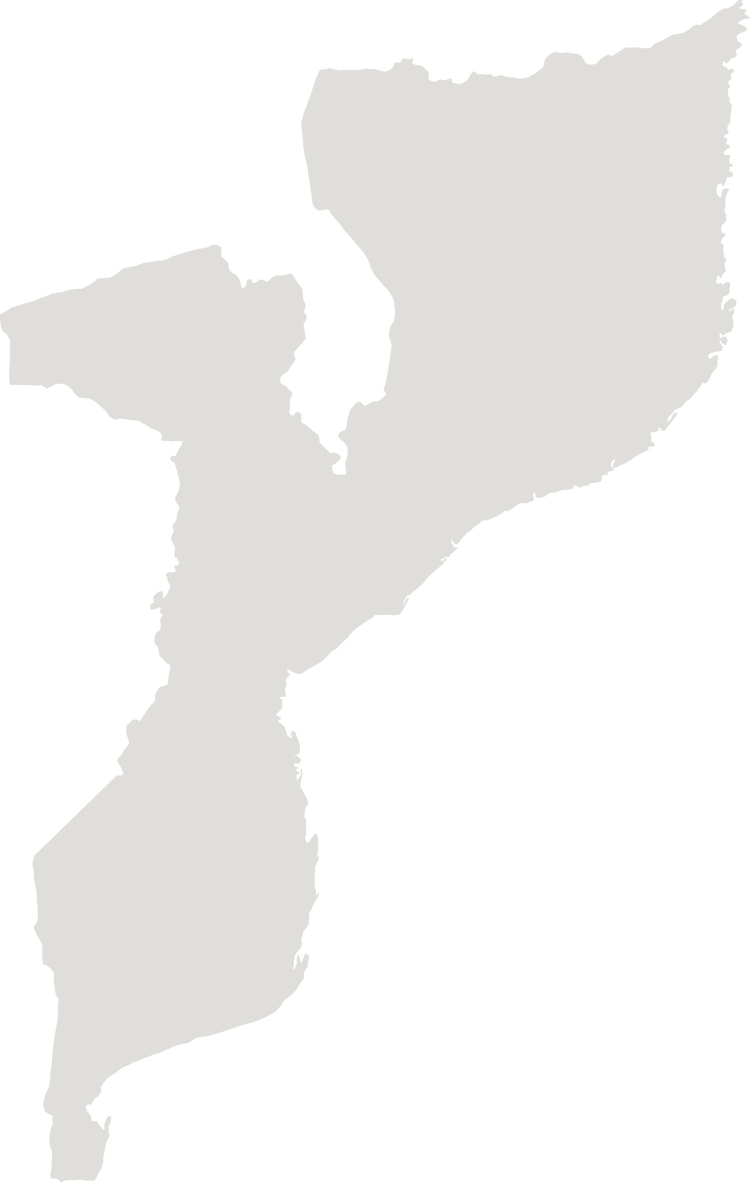
In December 2025, Mozambique launched public consultation on a draft carbon markets regulation to establish a National Carbon Registration and Trading System, a national registry and procedures for corresponding adjustments under Article 6.23 The draft was developed with input from ACMI and potential Article 6 partners Sweden and Switzerland.
In practice, however, project developers face significant hurdles. REDD+ licensing reportedly takes up to 265 days, and projects must demonstrate the capacity to abate at least 200,000 tonnes before a licence can be issued.24 Regulatory uncertainty, concerns about corruption risks and limited institutional capacity also constrain market development.
Mozambique does not yet have any Article 6.2 bilateral agreements. Its 2035 NDC targets reductions of 15–25% below a business-as-usual baseline of 30.6 MtCO2-e.25
Nigeria
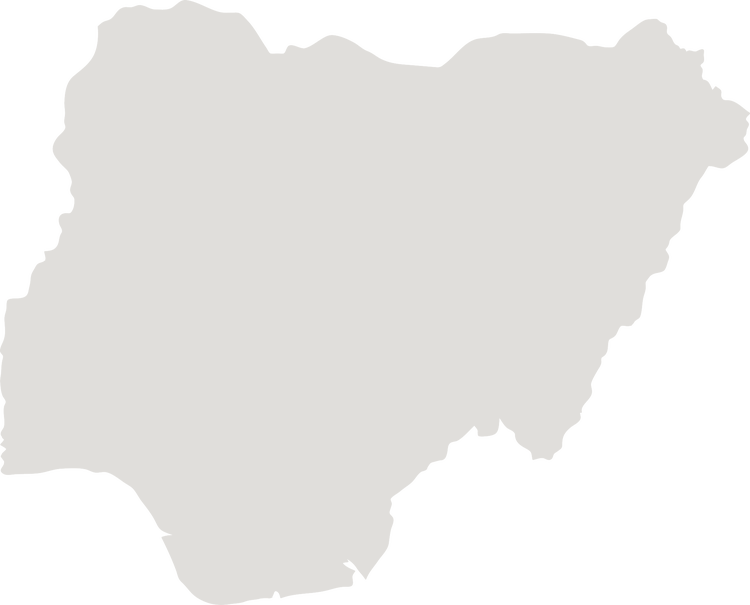
Nigeria estimates it could generate between 87.2 and 124.7 million carbon credits across its mitigation portfolio.27ACMI estimates this could scale to 30 million credits annually by 2030, with potential earnings exceeding US$500 million per year.28 Nigeria's 2035 NDC commits to reducing emissions by 32% (equivalent to 184.9 MtCO2-e) by 2035 and achieving net zero by 2060.29 In March 2026, it was reported that Nigeria’s National Council on Climate Change had provided the first letter of authorisation to an entity to export Article 6 credits for use under CORSIA. The authorisation – provided to the project developer BURN – would permit the transfer of 5.2 million Article 6 units.30
Rwanda
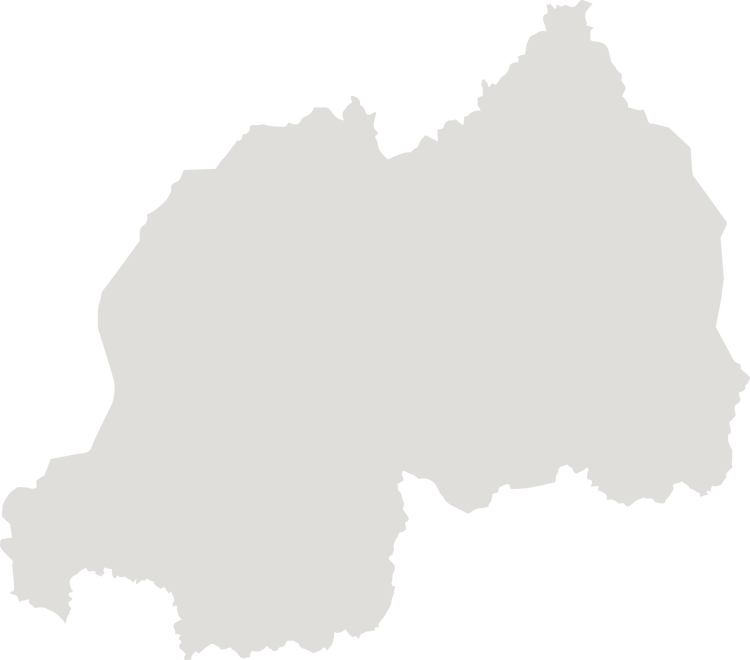
Rwanda has already issued authorisations to a number of private entities, including DelAgua, Atmosfair, BB Energy Pte Ltd and Spouts of Water Rwanda Ltd.32 The country has also signed bilateral agreements with Sweden, Singapore and Kuwait.33In May 2026, Rwanda and Singapore signed an implementation agreement, committing to work together on the trade of “high-quality carbon credits” and to achieve “tangible emissions reductions”.34
As noted previously, Rwanda's project portfolio is dominated by household-level interventions. Approximately 87% of existing projects involve improved cookstoves,35as around 90% of the population relies on firewood for cooking. The remainder of the portfolio comprises lighting projects (9%) and solar initiatives (4%),36illustrating the country’s emphasis on distributed, community‑based mitigation activities. Rwanda's NDC commits to reducing emissions by 7% below 27.86 MtCO2-e by 2035 (with a conditional target of 46% below 27.86 MtCO2-e by 2035).37
Senegal
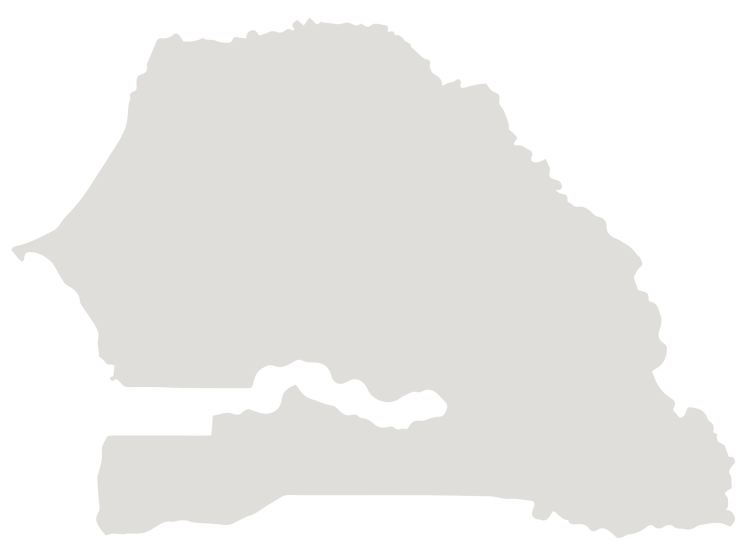
Senegal's carbon market activities are coordinated by the Directorate of Environment and Classified Establishments. In 2023, its “National Strategy for Implementing Article 6 of the Paris Agreement in Senegal” was validated. This process brought together government and private sector stakeholders to assess the country’s Article 6 opportunities.40
Senegal's NDC commits to unconditional reductions of 7% by 2030, with a conditional target of 29%. All targets are against a business-as-usual scenario.41Its mitigation strategy centres on preserving and restoring its forests, promoting “climate-smart agricultural practices” and more sustainable livestock management.42As such, we can expect that carbon projects in Senegal would likely focus on the agricultural sector.
Practical constraints on scaling Senegal’s carbon market include high MRV costs and a wide gap between the carbon price needed to meet its NDC targets (estimated at US$170/tonne) and prevailing rates in the international carbon market (around US$5/tonne in 2024).43It is likely that the generation and export of Article 6 units, which typically can be sold at a premium, would contribute to closing this gap in the market value of Senegal’s credits.
South Africa
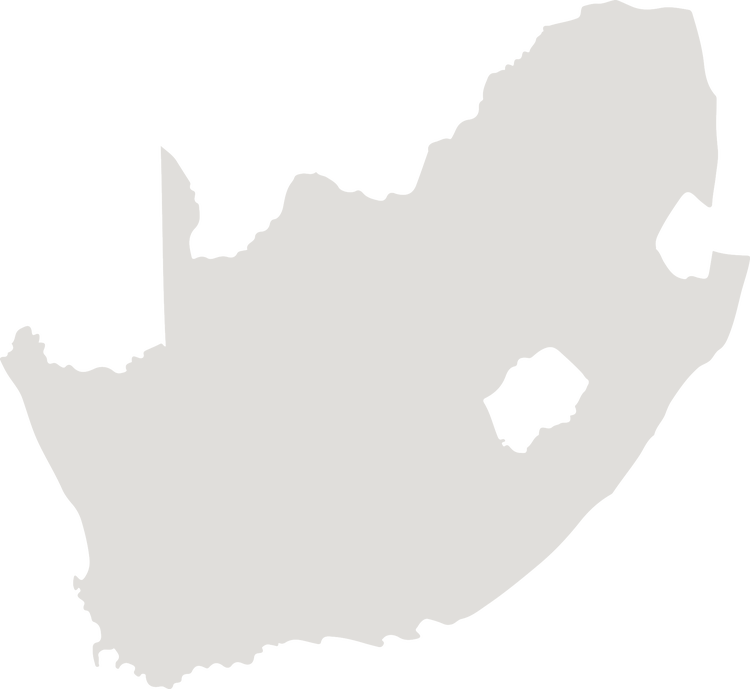
The carbon tax applies to around 90% of national emissions. It permits entities to achieve compliance through the partial surrender of offsets (including up to 10% of fugitive emissions and 15% of combustion emissions from January 2026).44Credit trading is also eased by the ability to purchase credits for the carbon tax on the Johannesburg Stock Exchange (specifically, the “JSE Venture Voluntary Carbon Market”).45
In October 2025, the National Treasury issued a consultation paper on modernising the country’s carbon credit infrastructure, clarifying legal and financial regulations, and stimulating investment in carbon projects.46Later that month, the government released a Draft Carbon Markets Framework and Draft Carbon Credit Revenue Plan (Revenue Plan).47 These documents focus on strengthening credit integrity, improving benefit-sharing arrangements and clarifying governance. The Revenue Plan outlines that the proceeds of credit sales should be allocated to reforestation, wetland restoration and broader climate‑resilience efforts.
South Africa’s international leadership on carbon markets was demonstrated when it hosted the inaugural African Carbon Markets Summit in Johannesburg in 2025. However, it has not yet signed any Article 6 bilateral agreements,48which may be because of its focus on achieving its domestic climate targets. Its second NDC sets an emissions reduction target of 320–380 MtCO2e in 2035 (without providing a baseline year).49
Uganda
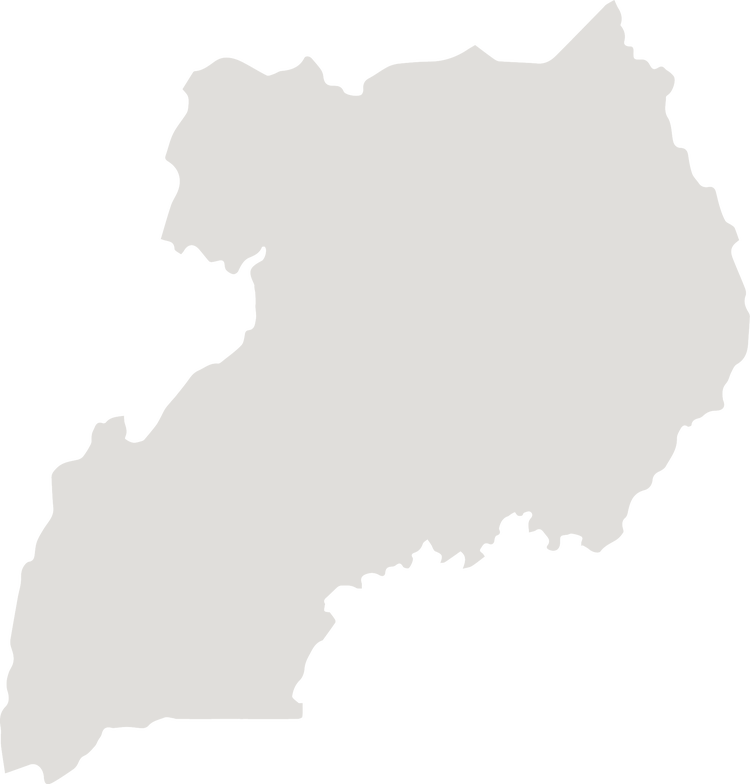
The Ugandan Regulations aim to enhance transparency, governance and oversight across the project cycle and mandate that only accredited auditors may validate projects. Furthermore, while the Ugandan Regulations do not prescribe precise benefit sharing arrangements, every project proponent must submit a benefit sharing plan demonstrating “equity, fairness, engagement and consultation of beneficiaries” when applying to have their project approved.52
Uganda has a substantial project base: 189 CDM projects (primarily cookstoves and water purification) and 92 voluntary carbon market projects (including the first ever cookstoves projects certified by Gold Standard).53
As for Article 6, Uganda established an Article 6 Taskforce in 2023 to accelerate national capacity building and prepare institutions for participation in voluntary international carbon trading.54However, it has not yet signed any Article 6 bilateral agreements. Uganda's 2022 NDC commits it to a 24.7% reduction below a business-as-usual level of 148.8 MtCO2-e by 2030.
Zambia
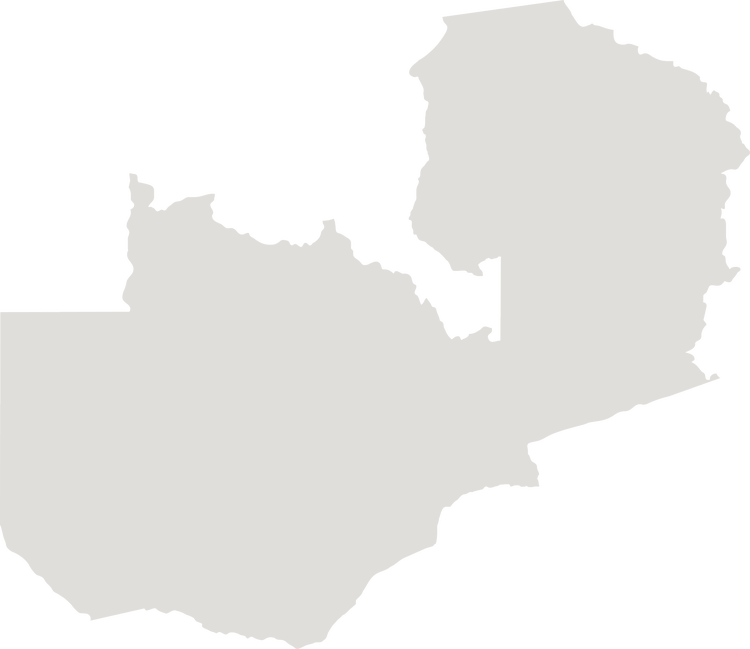
Although Zambia hosts a relatively small number of projects, it is home to one of Africa’s largest REDD+ initiatives, the Luangwa Community Forests Project, which protects over 2.1 million hectares of dryland forests and has attracted significant international attention.57
Benefit sharing arrangements are not prescribed in detail under the GECCA, however, project developers must prepare a community development and benefit sharing agreement prior to implementing a project.58In practice, benefit distribution varies by project, for example, under the Eastern Province Jurisdictional Sustainable Landscape Programme, revenues were allocated 15% to government, 30% to private developers and 55% to local communities.59
Zambia has begun to engage with Article 6, establishing bilateral agreements with Norway, Singapore, Sweden and Switzerland.60Its own registry states that it has 3 Article 6 projects which are registered and are now being implemented.61Zambia has an unconditional target of reducing emissions by at least 25% below a business-as-usual level of 120.6 MtCO2-e by 2030 with limited international support (or 47% with substantial international support).62
How can we help
Norton Rose Fulbright's carbon markets team has extensive experience advising project developers, carbon credit purchasers and intermediaries across voluntary and mandatory carbon market schemes worldwide.
We have been closely following Article 6 implementation across Africa and are well placed to advise on the emerging opportunities and legal frameworks discussed in this article. If you have any questions, please contact a member of Norton Rose Fulbright's carbon markets team.
Footnotes
-
https://www.seforall.org/system/files/2022-11/acmi_roadmap_report_2022.pdf
-
https://au.int/en/documents/20250908/africa-action-plan-carbon-markets-aapcm
-
https://cmo.epa.gov.gh/jospong-group-signs-mou-for-carbon-credits-development/
-
Kenyan Regulations, Section 29.
-
Kenyan Regulations, Section 30.
-
Osman & 164 others (Suing on Their Behalf and Behalf of Residents of Merti Sub-County, Chari, and Cherab Wards in Isiolo County) v Northern Rangelands Trust & 8 others (Petition E006 of 2021) [2025] KEELC 99 (KLR) (24 January 2025).
-
https://clubofmozambique.com/news/mozambique-only-3-of-available-carbon-credits-issued/
-
https://www.sumitomocorp.com/en/europe/news/topics/2025/group/20250401_2
-
https://unfccc.int/sites/default/files/2025-11/Mozambique%20ProvNDC_ENG.pdf
-
https://assets.kpmg.com/content/dam/kpmg/ng/pdf/2025/12/Carbon Credits in Nigeria.pdf
-
https://carbonherald.com/burn-secures-nigerias-authorization-to-sell-carbon-credits-to-corsia/
-
https://climate-laws.org/documents/national-carbon-market-framework_92ef
-
https://unfccc.int/sites/default/files/resource/Rwanda%20Initial%20Report%20%202024%20final.pdf
-
https://unfccc.int/sites/default/files/2025-12/Rwanda NDC3.0 Final.pdf
-
https://unfccc.int/sites/default/files/NDC/2022-06/CDNSenegal%20approuv%C3%A9e-pdf-.pdf
-
https://lirias.kuleuven.be/server/api/core/bitstreams/717999c1-dfe6-4e97-84aa-4510ce937bba/content
-
https://www.dffe.gov.za/speeches/george_carbonmarketsafricasummit2025
-
https://climate-laws.org/documents/national-climate-change-act-2021_0dc4?q=CREDIT
-
Ugandan Regulations, section 18(2).
-
https://www.mgee.gov.zm/wp-content/uploads/2025/01/Zambias-Carbon-Market-Framework-with-cover.pdf
-
GECCA, Section 21(7).
-
https://epjslp.org.zm/eastern-province-chiefs-discuss-ep-jslp-to-tackle-deforestation-and-emissions/
-
https://unfccc.int/sites/default/files/2025-10/NDC3.0COPYOFZAMBIA%27SICTUFORSUBMISSION.pdf